
Quick answer: A diamond grading report is a gemological laboratory's documented assessment of one loose diamond. It records whether the stone is natural or lab-grown, any treatments the lab detected, the 4Cs (cut, color, clarity and carat weight), measurements, proportions, polish, symmetry and fluorescence, often with a diagram of the stone's inclusions. It does not state a price or judge the jewelry the stone sits in. If a report matters to you, ask Miami The Jeweler or any seller whether a specific stone comes with one before you buy.
What is a diamond grading report?
A grading report is a written record of what a laboratory found when it examined a diamond. People often call it a "certificate," but the labs themselves describe it as a report, because it documents observations at the time of grading rather than guaranteeing anything.
Labs grade diamonds loose, out of any setting in most cases, so they can measure the stone and see it from every angle. Each report carries a unique report number. Some labs also laser-inscribe that number on the diamond's girdle, the thin edge around its widest point, where you can read it under magnification.
What does a grading report cover?
Formats differ between labs, but most full reports include:
- Report number and date
- Identification: natural or laboratory-grown, plus any detected treatments
- Shape and cutting style: for example, round brilliant or emerald cut
- Measurements: the stone's dimensions in millimeters
- Carat weight: to the hundredth of a carat
- Color grade: on the D-to-Z scale
- Clarity grade: from Flawless down to Included, often with a plotted diagram showing the type and position of inclusions
- Cut grade: commonly given for round brilliants
- Polish and symmetry: how well the cutter finished the surface and how evenly the facets line up
- Fluorescence: how the stone reacts under ultraviolet light
- Proportions: table size, crown and pavilion angles, depth
- Inscription and comments: any girdle inscription and notes from the grader
Lab-grown diamonds receive reports too. Those reports identify the stone as laboratory-grown, and some note the growth method or post-growth treatment.
What does a grading report not tell you?
A report has clear limits:
- It is not an appraisal. It assigns grades, not a dollar value. An appraisal is a separate document, usually for insurance.
- It does not grade the setting. Prong work, alignment, gold weight, the clasp and the finishing sit outside the lab's scope.
- It does not confirm the metal. For that, check the karat stamp and ask the seller.
- It describes the stone on the day the lab saw it. Chips or wear after that date will not appear.
Grading standards can also vary between laboratories. Two reports on similar stones from different labs may not line up grade for grade, so read the lab name along with the grades.
Which stones come with grading reports?
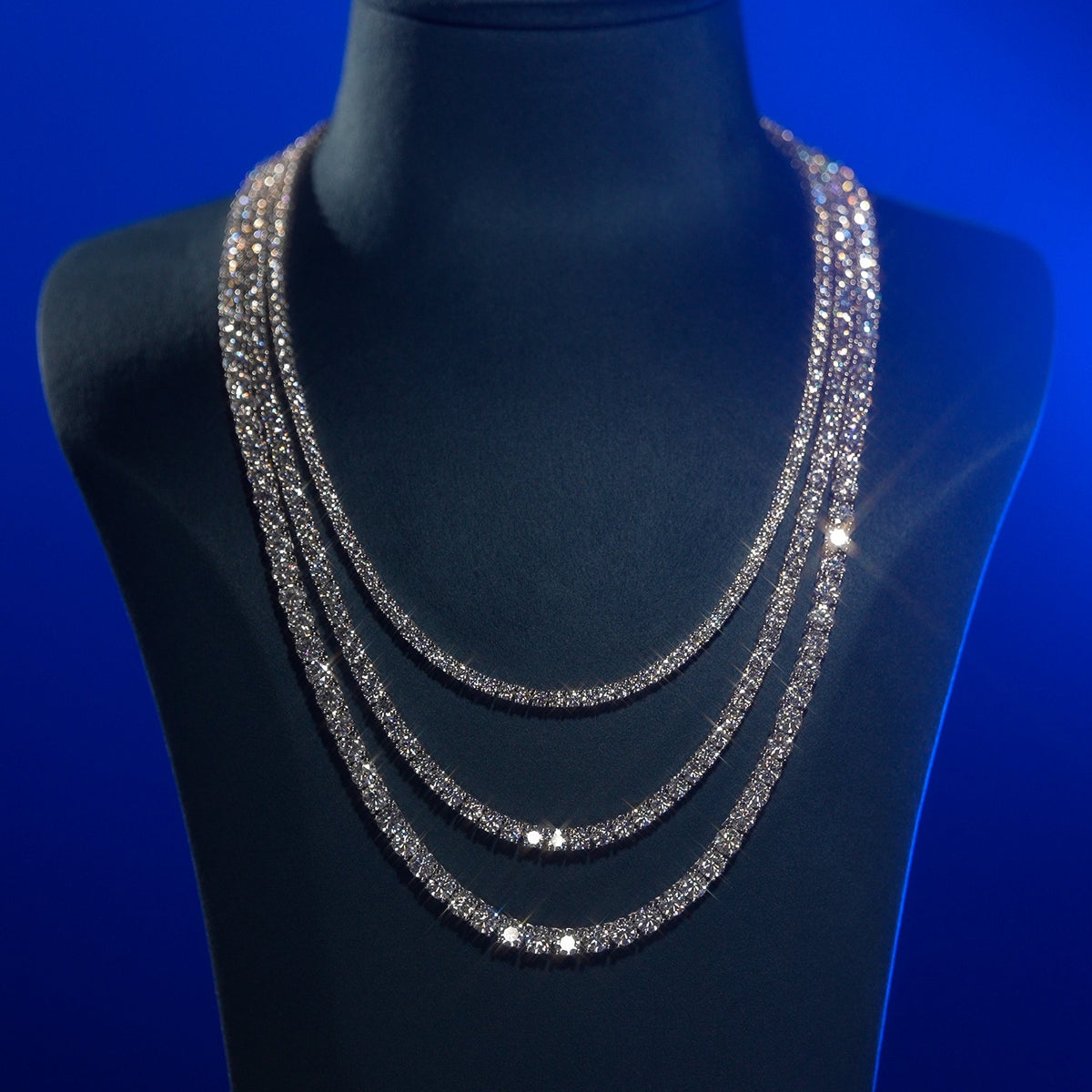
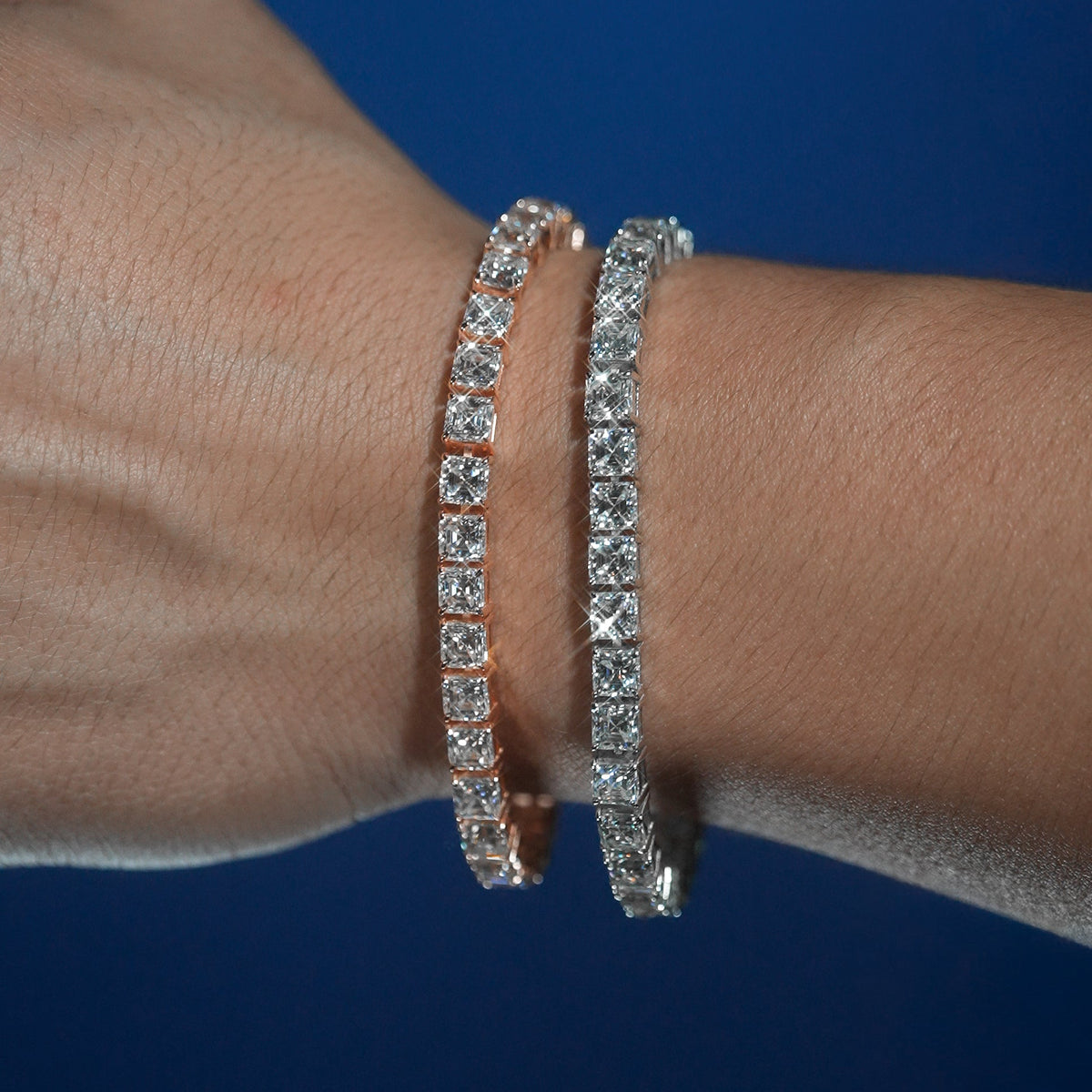
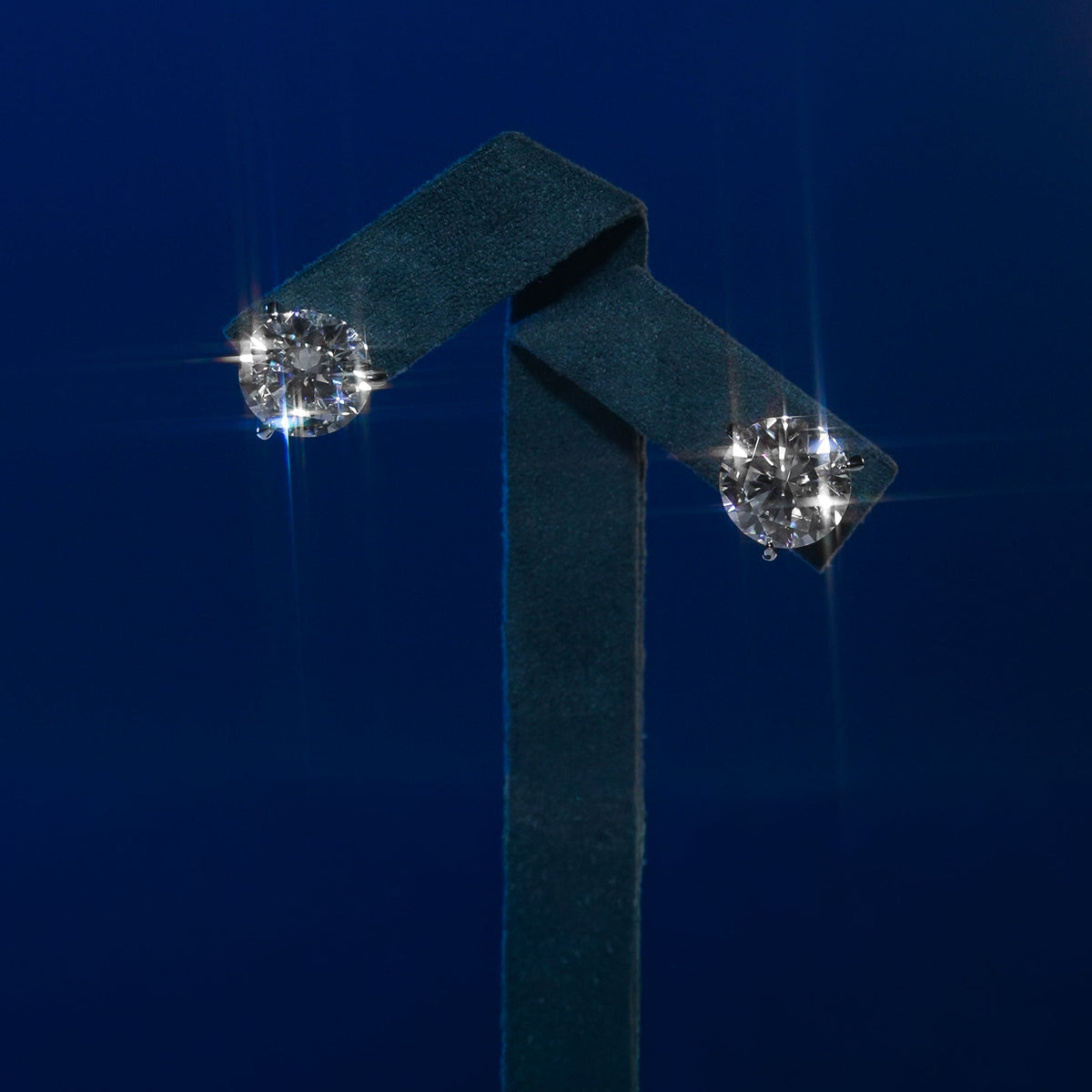
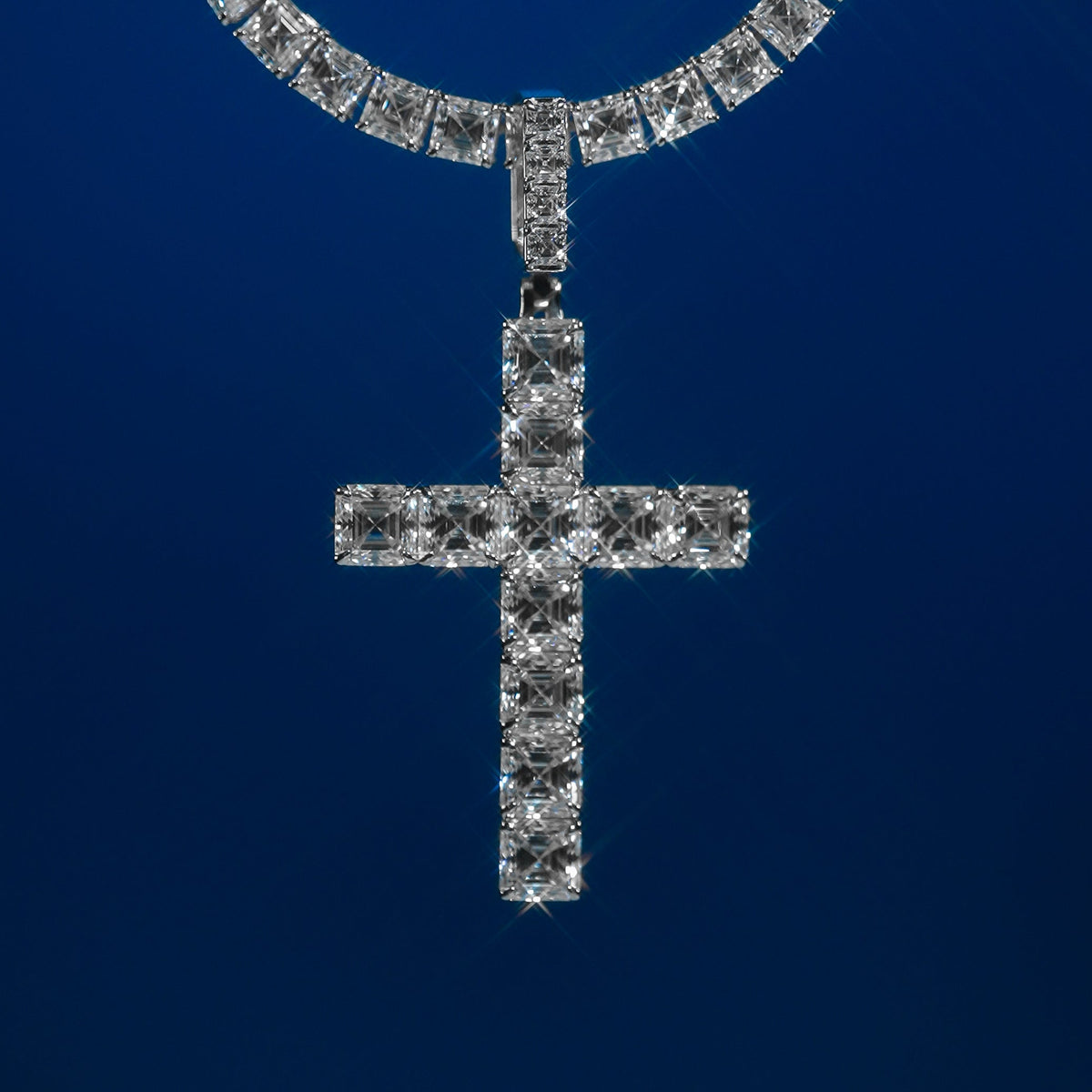
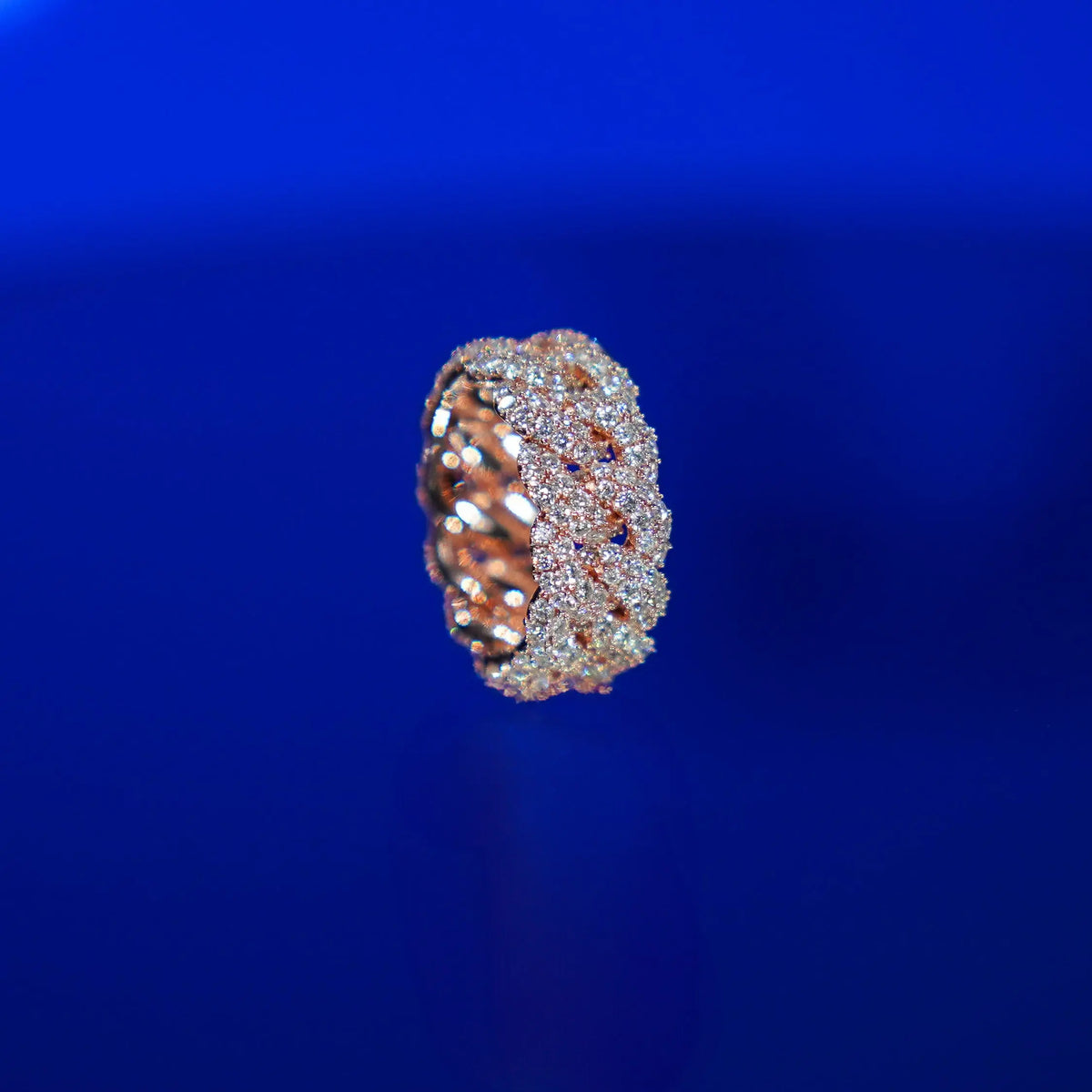
Center stones in engagement rings, solitaire pendants and stud earrings often come with reports, especially at larger sizes. Small accent stones, the ones that line a tennis chain, an iced Cuban link or a pavé pendant, do not carry individual reports in most cases. A single chain can hold dozens or hundreds of them, and a standard report covers one stone.
For multi-stone pieces, ask the seller for the total carat weight, the size of each stone, and the color and clarity range that covers them. Then look at the piece in daylight and judge how well the stones match.
Policies differ by seller and by piece. Before you buy, ask whether the stone you are looking at comes with a report, and from which lab.
How do you check a report against a stone?
- Match the report number. If the stone carries a girdle inscription, ask the jeweler to show it to you under a loupe and compare it to the report.
- Compare measurements. The dimensions on the report should match the stone.
- Look up the report. Many labs let you verify a report number on their own website.
- Read the identification line first. Confirm natural or lab-grown before you read anything else.
How does Miami The Jeweler fit into this?
Miami The Jeweler sells natural and lab-grown diamonds set in solid 10K, 14K or 18K gold, and VVS1, D-color moissanite set in 925 sterling silver. Every piece gets represented as what it is. If a grading report matters for your purchase, ask the MTJ team about the specific stone in the piece you want.
A report covers the stone. MTJ's focus covers the rest: precise setting, small and clean prongs, even alignment, solid construction and quality control on the finished piece. Founder Samuel Madrid's production rule: if a piece does not meet the top standard, melt it down and start over.
FAQ
Is a diamond grading report the same as a certificate? People use both words, but labs call the document a report. It records the lab's findings on the day of grading and does not guarantee value.
Do lab-grown diamonds come with grading reports? Many do. Those reports identify the stone as laboratory-grown and grade it on the same 4Cs used for natural diamonds.
How do I find out whether an MTJ diamond comes with a report? Ask the Miami The Jeweler team about the specific piece at 22 NE First St, Suite 225, Miami, FL 33132, or through miamithejeweler.com.